Article | 6 March 2026
How to handle the wider trade effects of war?
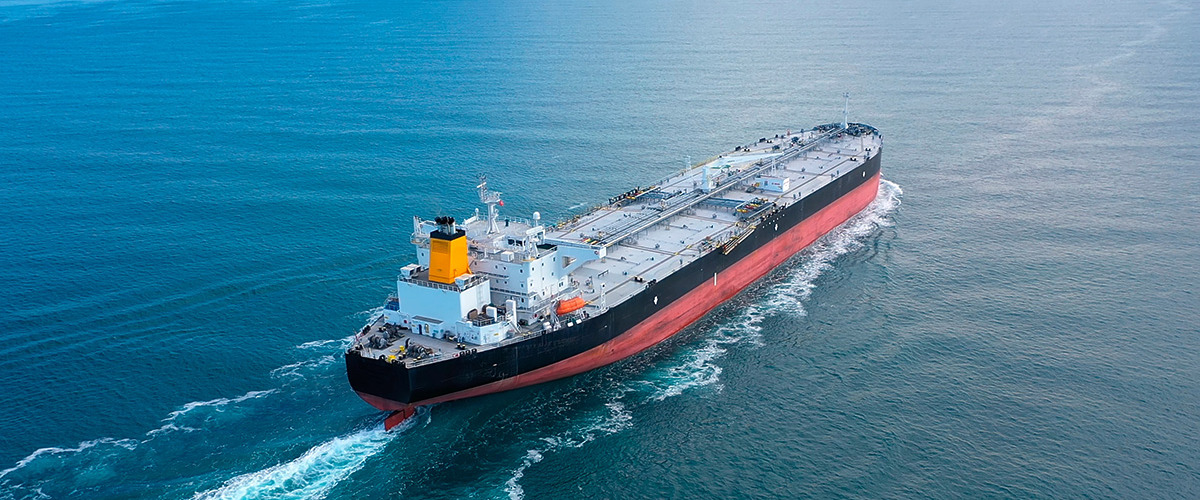
Following the February 28 US-Israeli strikes on Tehran, the war has shocked the whole Gulf region. The implications are far-reaching, with consequences for two of the world’s most critical maritime chokepoints: The Strait of Hormuz and the Suez Canal. The Strait of Hormuz, a narrow waterway between Iran and Oman, is the world’s most important oil transit route, with a large share of global oil consumption passing through the strait daily. Any disruption to passage through the Strait would have immediate and severe consequences for global trade, energy prices, and the availability of goods.
The situation is raising complex legal questions for businesses operating in or connected to the Gulf region. As consequences hit the entire supply chain – It is advisable to continuously monitor the situation closely and we list below some key considerations for all businesses to keep top of mind as events continue to unfold.
Do you have contracts to fulfil in the Gulf or are you affected by disturbances in the supply chain?
Review your contractual terms in relation to Gulf parties. Amid the current situation, anyone doing business with parties now affected by the war or potentially affected in the future will benefit from reviewing terms on and cancellation. Businesses should carefully review their contractual terms to ensure that delays and associated risks are properly allocated, particularly as rarely invoked clauses may suddenly be of significance.
Declare force majeure. If you are directly affected by the war or the sanctions, you may have difficulty fulfilling your contractual obligations, e.g. by not being able to deliver or take delivery on time due to goods being stuck or that your business is otherwise affected. Check your agreement and remember to declare force majeure (if possible) in relation to your counterparties to ensure that you cannot be held liable for breach of contract.
Prepare for your suppliers declaring force majeure. It is likely that the war and the sanctions will affect many businesses, and you may expect some of your suppliers declaring force majeure in relation to you. Consider if you can identify alternative suppliers which will enable you to carry on your business uninterrupted.
Keep track of persons and companies on sanction lists
There are already sanctions imposed against Iran. You should therefore ensure that you are not dealing with any Iranian entities in a way which would breach the sanctions. As the war progresses, new sanctions from the US, EU and UN are expected. Always check websites of the US government, EU and the United Nations Security Council before doing business with new customers and regularly check if present customers, including their owners, have been made subject to sanctions.
Expected challenges and cost increases relating to energy, gas, and oil
The ongoing conflict in the Gulf region poses serious risks to global energy supply, with potentially far-reaching consequences for the availability and pricing of oil, gas, and other energy sources. The Strait of Hormuz constitutes a critical chokepoint for the world’s oil trade, and disruptions to passage through the strait can rapidly result in sharp price increases for crude oil and refined petroleum products. Companies should be prepared to address these challenges through proactive contract review and strategic planning.
Price volatility and increased procurement costs. When the supply of oil and gas becomes constrained as a result of reduced vessel traffic through the Strait of Hormuz, companies can expect significant energy price increases. This affects not only direct purchases of fuel and raw materials but also transport and production costs throughout the value chain. As the conflict restricts trade and movement in the region, war risk surcharges from shipping companies have been introduced swiftly, further driving up costs. If you are a purchaser of transport services (both bulk and container) or energy-intensive goods, this is an aspect to monitor closely.
Contractual considerations in the event of price fluctuations. Companies with long-term supply agreements for energy, gas, or oil should review pricing clauses, indexation mechanisms, and any provisions for price renegotiation. Whether extreme price increases may constitute grounds for contract adjustment or termination depends on the specific terms of the agreement and the applicable law. As a general rule, standard price indexation mechanisms and the most common price indices are not designed to address acute situations such as the present one. It may be appropriate to review hardship clauses or provisions addressing changed circumstances, although Swedish law traditionally adopts a restrictive approach to such adjustments.
Supply disruptions and force majeure. Suppliers may invoke force majeure if they are unable to fulfil their obligations as a result of the conflict. It is therefore important to review your contracts to understand which rights and obligations apply in such a situation. Consider also whether there are opportunities to secure alternative supply sources or energy types to reduce vulnerability.
Strategic preparedness. Given the uncertainty surrounding the development of the conflict, it is recommended that companies take measures to safeguard energy supply, including mapping dependencies on deliveries from the Gulf region, evaluating alternative suppliers and energy sources, and reviewing opportunities for hedging or other financial instruments to manage price risk.
Prepare for cost increases
It is already clear that the ongoing war will drive costs in several areas. Various surcharges from shipping companies are increasing, and in addition, the special situation requires expensive and complicated logistics to find a solution.
Act correctly and act in time
The ongoing situation is complex. The outbreak of the war in Iran is already causing large disturbances to trade. Make sure you handle the situation right by not breaching sanctions and acknowledging contractual rights of force majeure and termination. Delaying action may result in forfeiting the right to invoke renegotiation, force majeure, or other contractual entitlements. With a large share of world trade taking routes potentially affected, many businesses may experience ripple effects. Should you require assistance, Setterwalls’ Commercial agreements team stands ready to assist.
This article builds upon and expands Setterwalls’ previously published article “How to act in times of war?”, in which the war in Iran is examined from a more maritime law perspective.
Contact:
Practice areas: